Whenever we talk about Indian sweets, two things that come to mind are the rich taste of Mysore Pak and the crispy sweetness of Jalebi. India has a beautiful variety of sweets, and every sweet has its own taste, history, and importance.
Whether it is a festival, a family function, or just a normal day, sweets always make our moments more special.
Mysore Pak: A Sweet from Karnataka
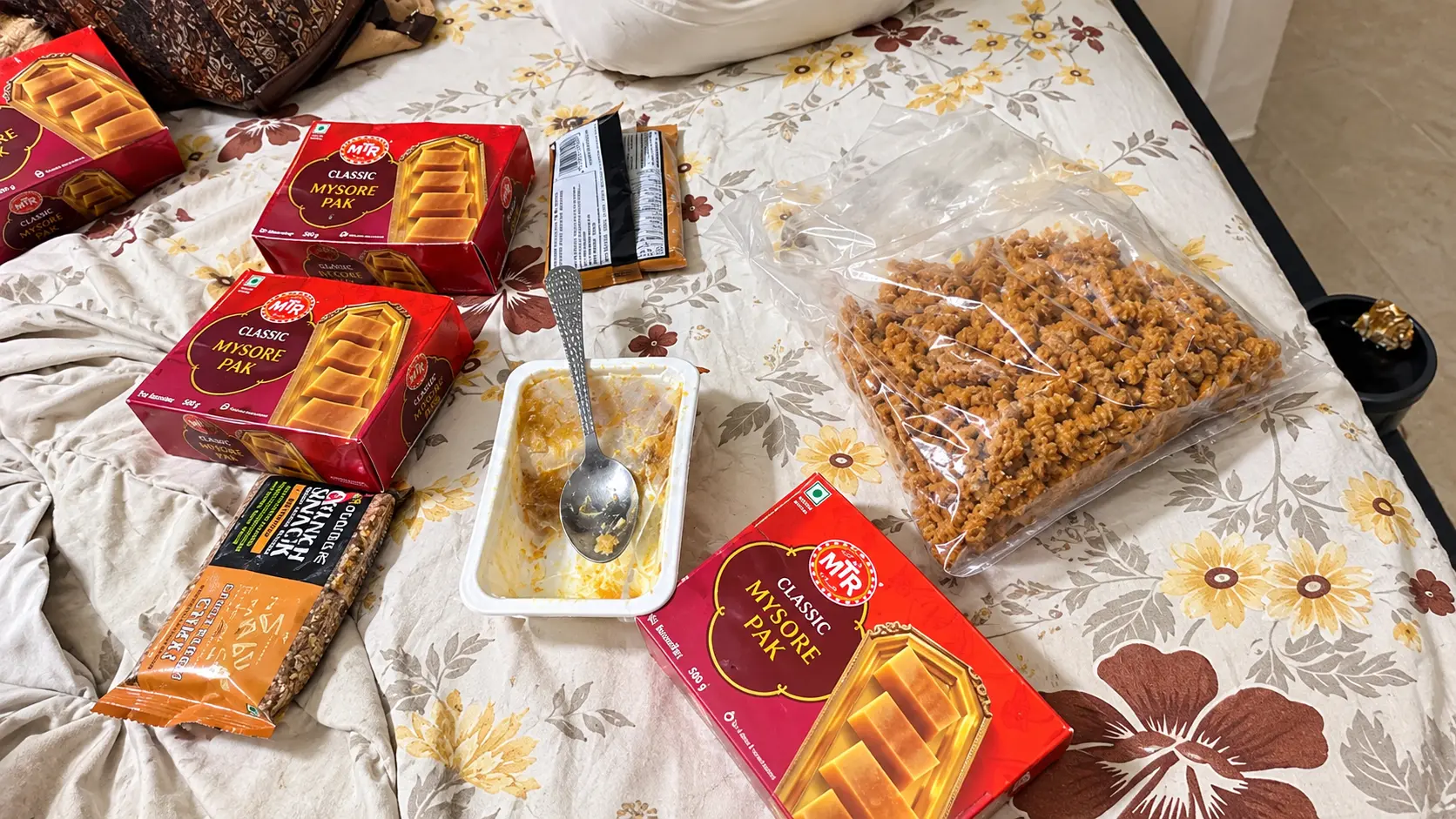
Mysore Pak is one of the most famous traditional sweets of Karnataka. It originally comes from Mysore and is believed to have been created in the royal kitchen of the Mysore Palace.
This sweet is made using three main ingredients: gram flour, ghee, and sugar. Although the ingredients are simple, the final taste is rich and delicious. Its golden colour and buttery texture make it different from other Indian sweets.
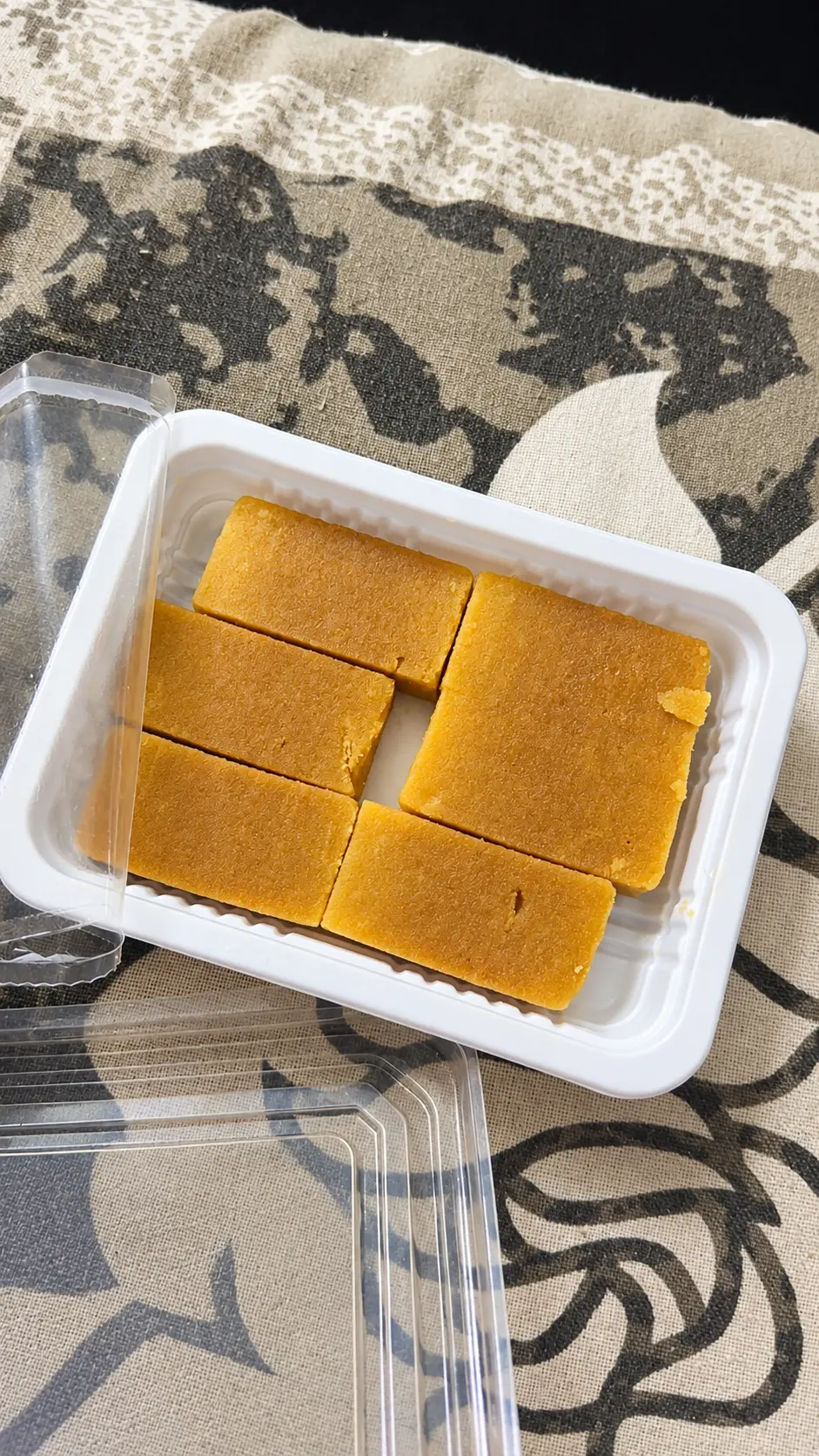
There are different varieties of Mysore Pak. Some are soft and melt in the mouth, while others are firm and crunchy. The amount of ghee and the cooking method give each variety its own texture.
Mysore Pak is popular during festivals like Diwali, weddings, and other celebrations. People also buy it as a gift for their family and friends. It is a wonderful example of how a traditional recipe can remain popular for generations.
Jalebi: Crispy, Sweet, and Delicious
Jalebi is another popular Indian sweet that is loved by children and adults alike. Its bright orange colour, spiral shape, and crispy texture make it easy to recognise.
Jalebi is prepared using a flour-based batter. The batter is poured into hot oil or ghee in circular shapes and fried until crispy. After frying, the Jalebis are dipped into sugar syrup, which gives them their sweet taste.
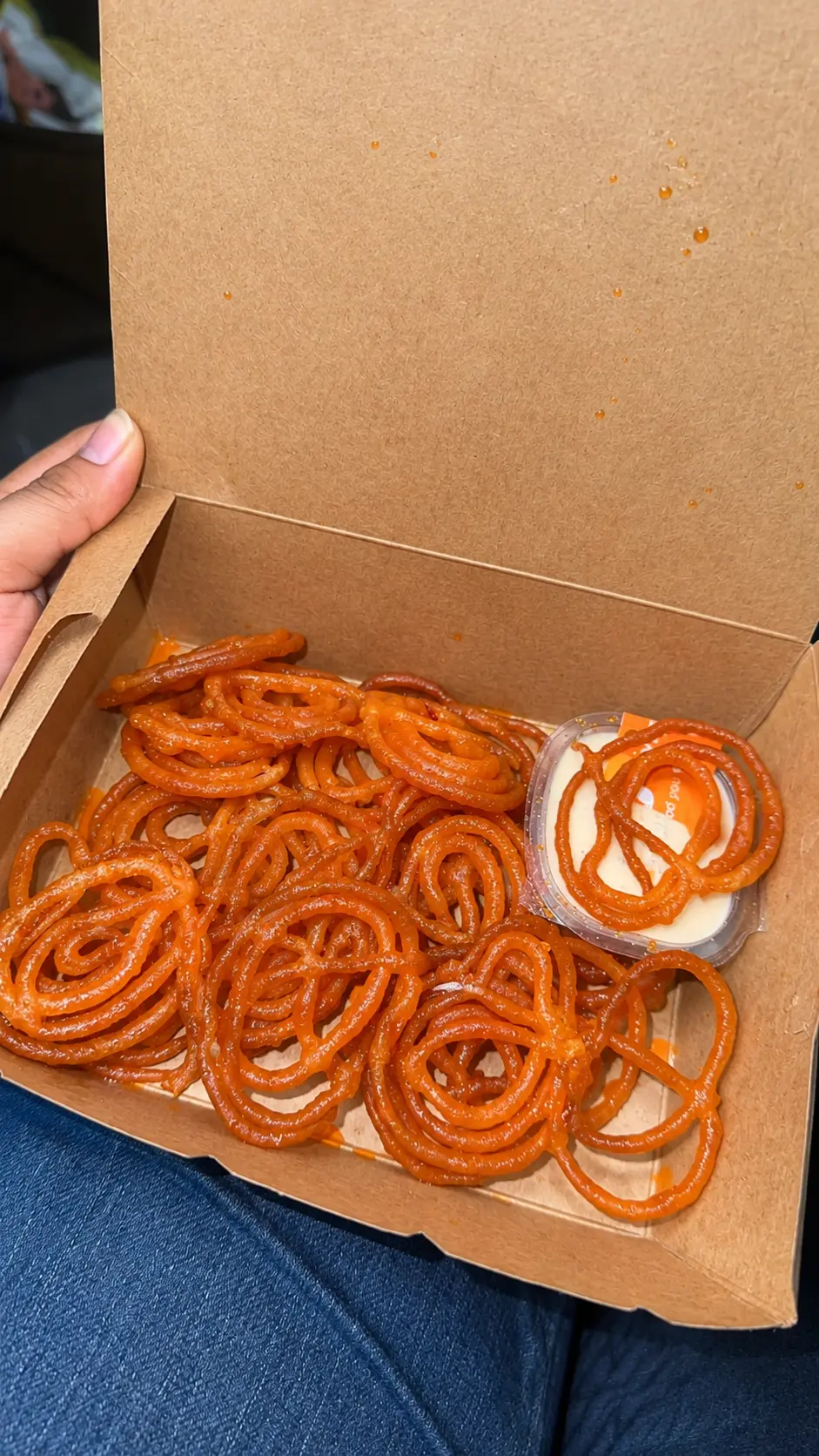
Fresh, hot Jalebi has a special charm. The smell of freshly fried Jalebi coming from a local sweet shop can make anyone feel hungry. Some people enjoy it with milk, while others like eating it with curd. In North India, Jalebi is also a popular breakfast treat and evening snack.
Jalebi is commonly enjoyed during festivals, weddings, and family gatherings. It is easily available in local markets, making it one of the most loved sweets in India.
What Makes These Sweets Special?
Mysore Pak and Jalebi are different in taste, texture, and preparation, but both have a special place in Indian food culture.
Mysore Pak is rich, buttery, and full of flavour. Jalebi is crispy on the outside and juicy with sugar syrup inside. Both offer a different experience, and that is what makes them interesting.
Indian sweets are not only about food. They are connected with our childhood memories, family traditions, celebrations, and the happiness of sharing something delicious with others.
India is a country where every region has its own special food and traditional sweets. Mysore Pak represents the rich culinary traditions of Karnataka, while Jalebi is enjoyed in homes and markets across the country.
Both sweets remind us that happiness can sometimes be found in the simplest things. A plate of hot Jalebi or a small piece of Mysore Pak can make an ordinary day feel special.
The next time you visit an Indian sweet shop, take a moment to appreciate these traditional treats and the stories behind them. After all, Indian sweets are not just delicious to eat; they are also a beautiful part of our culture and heritage.
About the Author
Kirandeep Kaur
I explore technology, simplify complex ideas, and share what I learn along the way — mostly SAP, AI and enterprise tech, sometimes everything else.
More about Kirandeep →