The Bidadi farm is one of the oldest and most well-known farms of Namdhari's. It was established more than 50 years ago with the vision of promoting modern agriculture and providing high-quality fruits, vegetables, dairy products, and seeds. The farm is spread over a large area and follows advanced farming techniques such as greenhouse cultivation, seed research, drip irrigation, and sustainable farming practices. The produce from the farm is supplied across India and exported to several countries. The farm also focuses on maintaining hygiene, quality, and environmental sustainability throughout its operations.
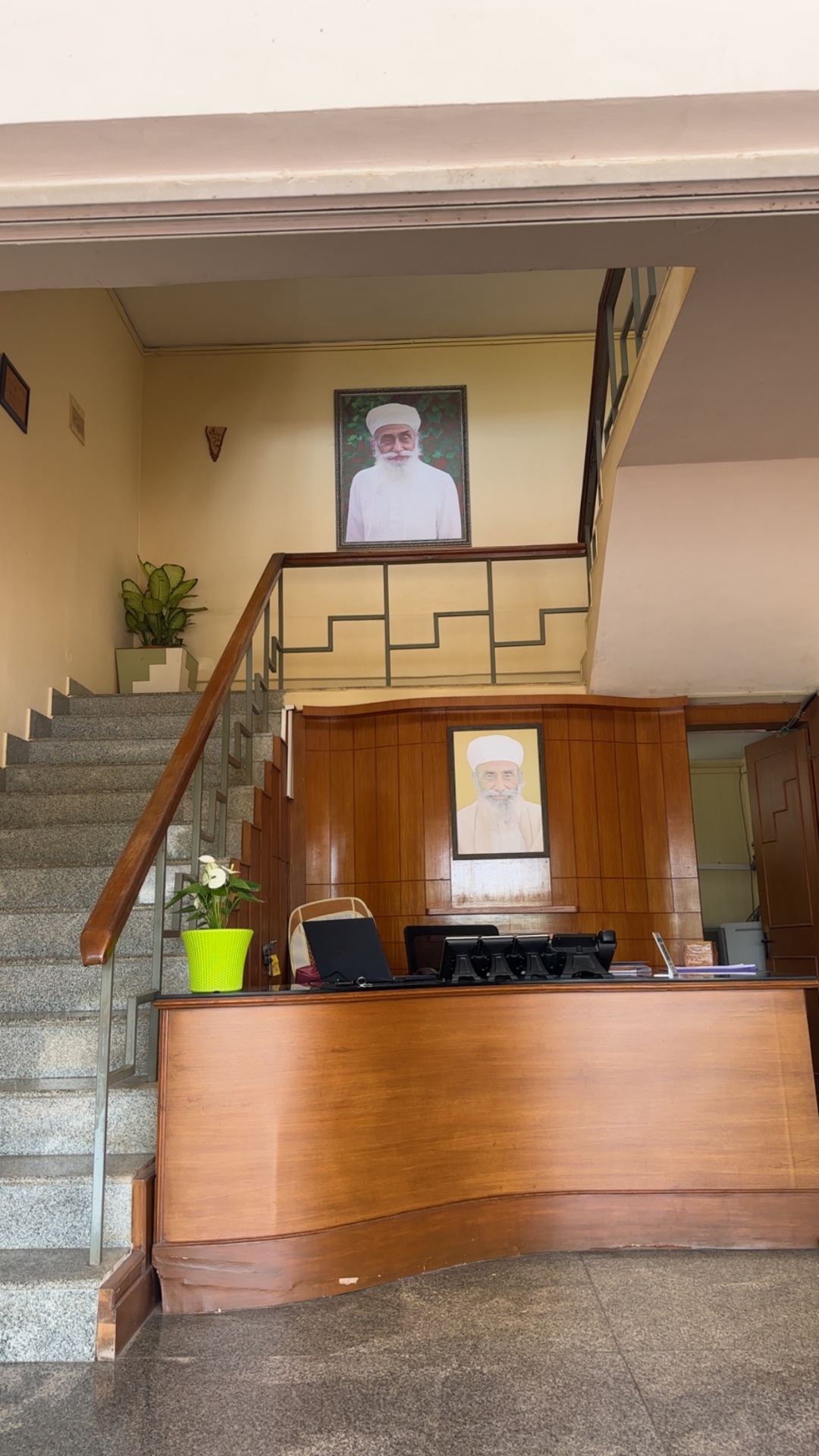
I was spellbound because I met Uday Singh Ji at Bidadi, Karnataka. There was a large supply chain farm popularly known as Namdhari's Farms. The farm has its own unique history of over 50 years. I was born and brought up in the Namdhari religion, and our culture holds a great sense of uniqueness in itself. When we entered the farm, we saw our Guru Ji standing beside the reception. The reception itself felt sacred — a quiet wooden desk under his framed portrait, a fresh anthurium in a small green pot, and a wide staircase leading up under another portrait of our late Guru. The whole space seemed to gently remind you whose blessings the farm runs on.
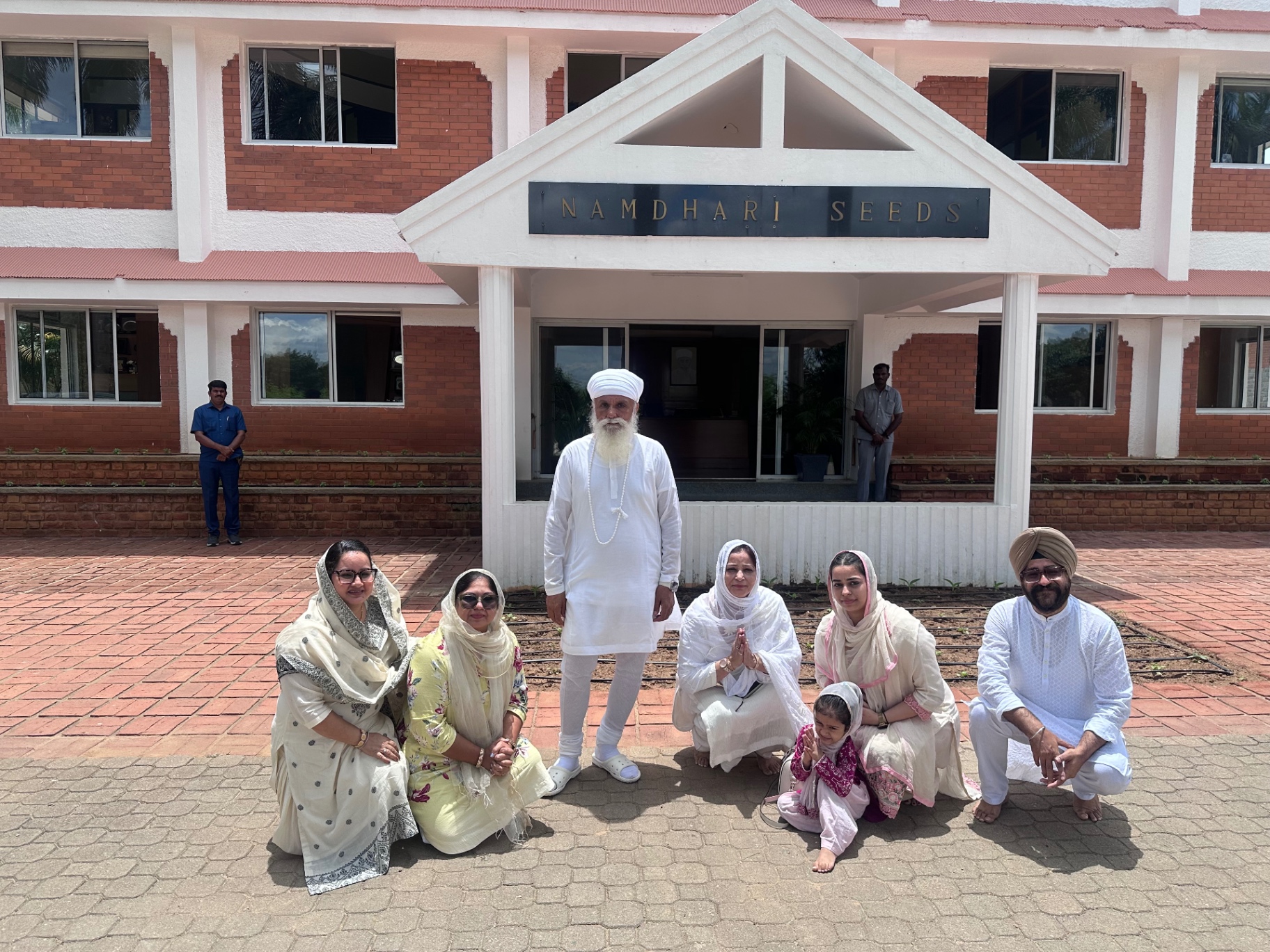
I was excited and overwhelmed after seeing him. I respectfully touched his feet and took a selfie. We gathered outside the main building — the red-brick and white Namdhari Seeds office — and a family photograph was clicked with Guru Ji standing in the centre in his white robes, all of us in white and ivory around him. It is the kind of picture you know, even while it is being taken, that you will look at for years.
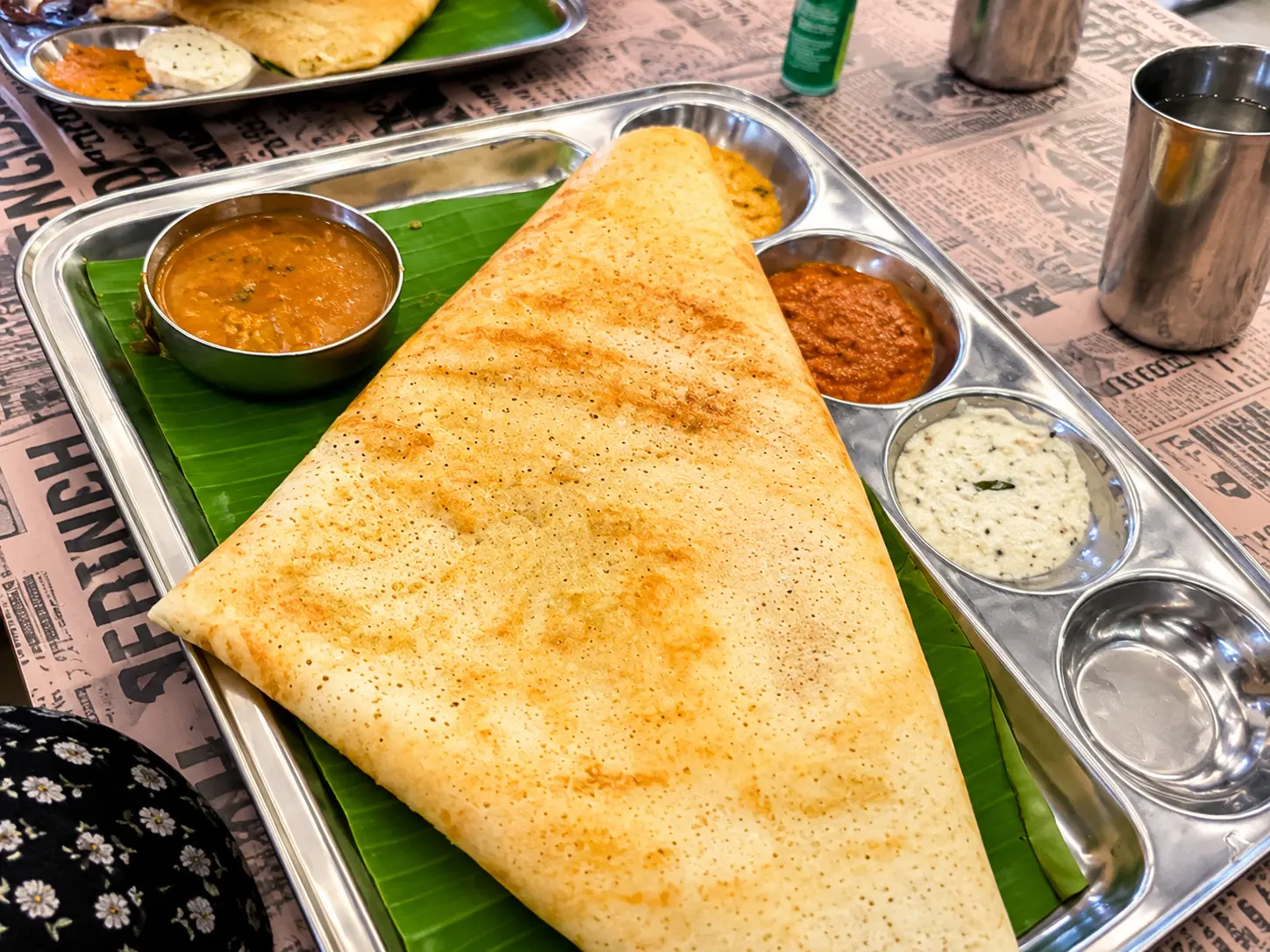
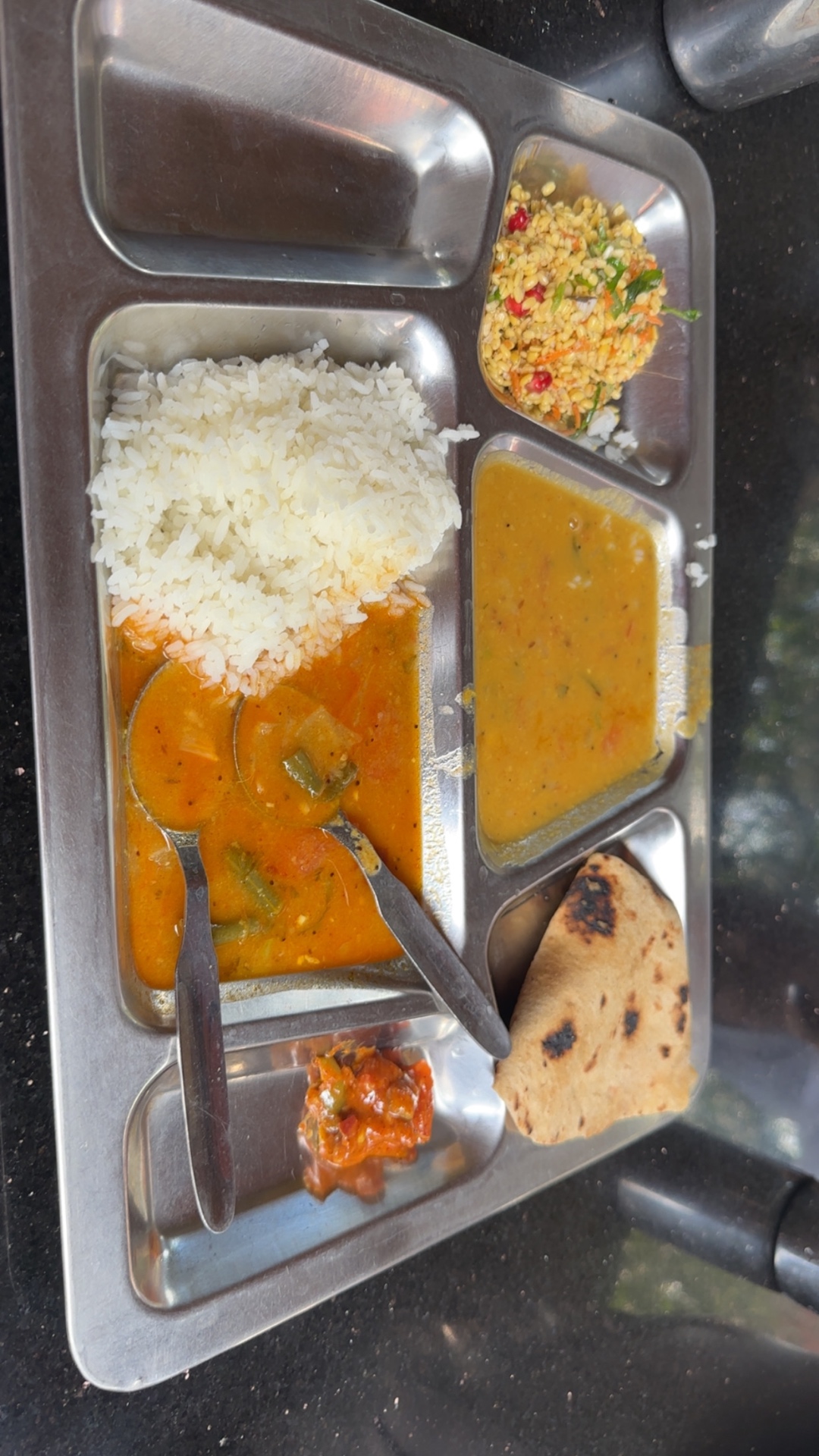
After that, Guru Ji appointed a guard who helped us in exploring the large farm. We all ate langar that was prepared by the South Indian staff members. The thali was simple and beautiful — a mound of soft white rice, a bright tomato-based vegetable curry with beans, a comforting yellow dal, a fresh sprouted moong salad with carrot and pomegranate, a spoon of homemade pickle, and a hot phulka on the side. Eating it under the open sky, sitting with my family, made an ordinary steel plate feel like the most generous meal of the trip.
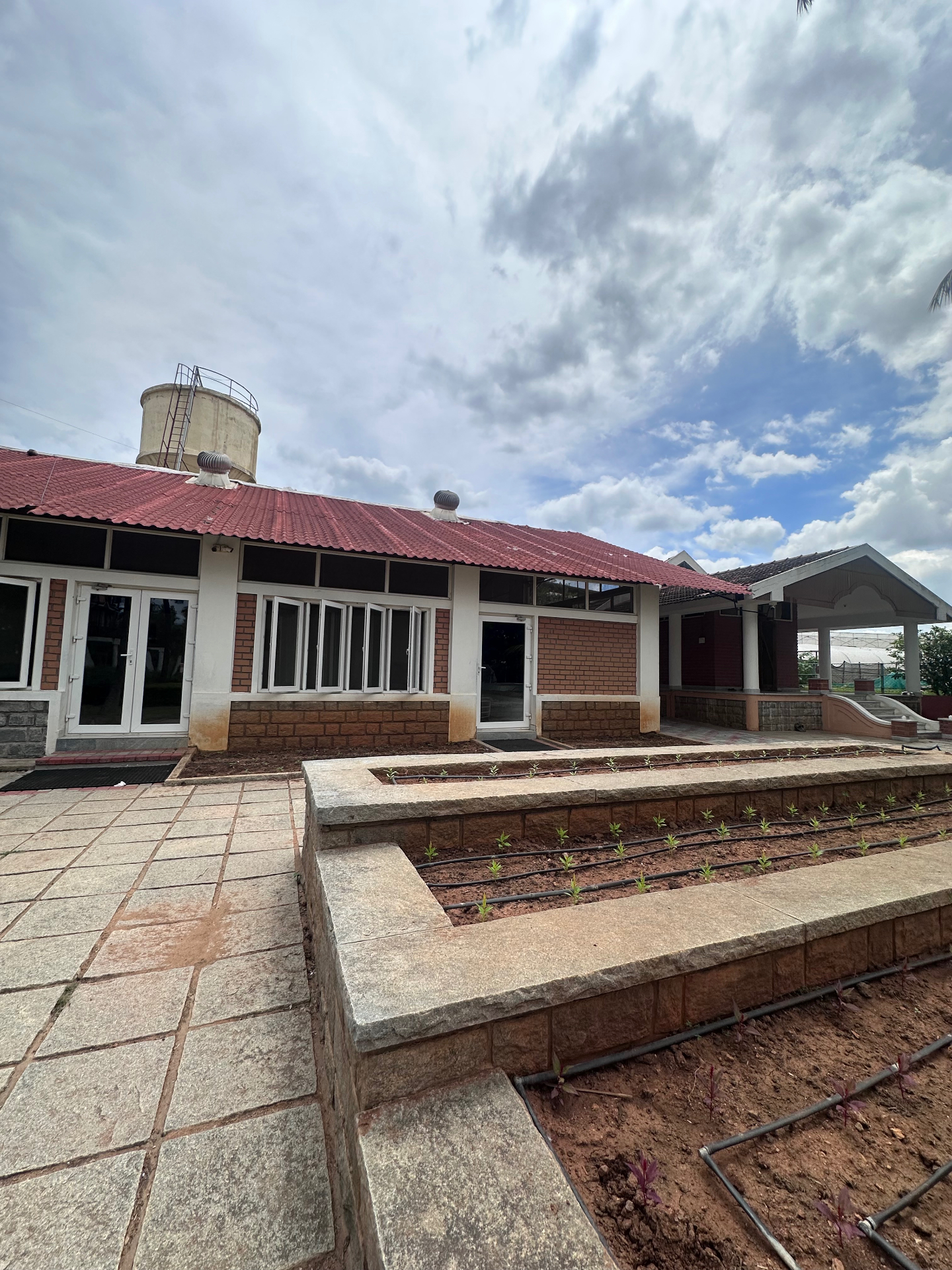
There was a team of 700 to 800 people working on the farm. As we walked, the scale of the place slowly began to make sense. We passed long, clean buildings with red-tiled roofs and small drip-irrigated nursery beds running right up to the doorstep — every inch of land doing something useful. The water tank above and the neat tiled courtyards spoke of a farm that has been cared for, season after season, for half a century.
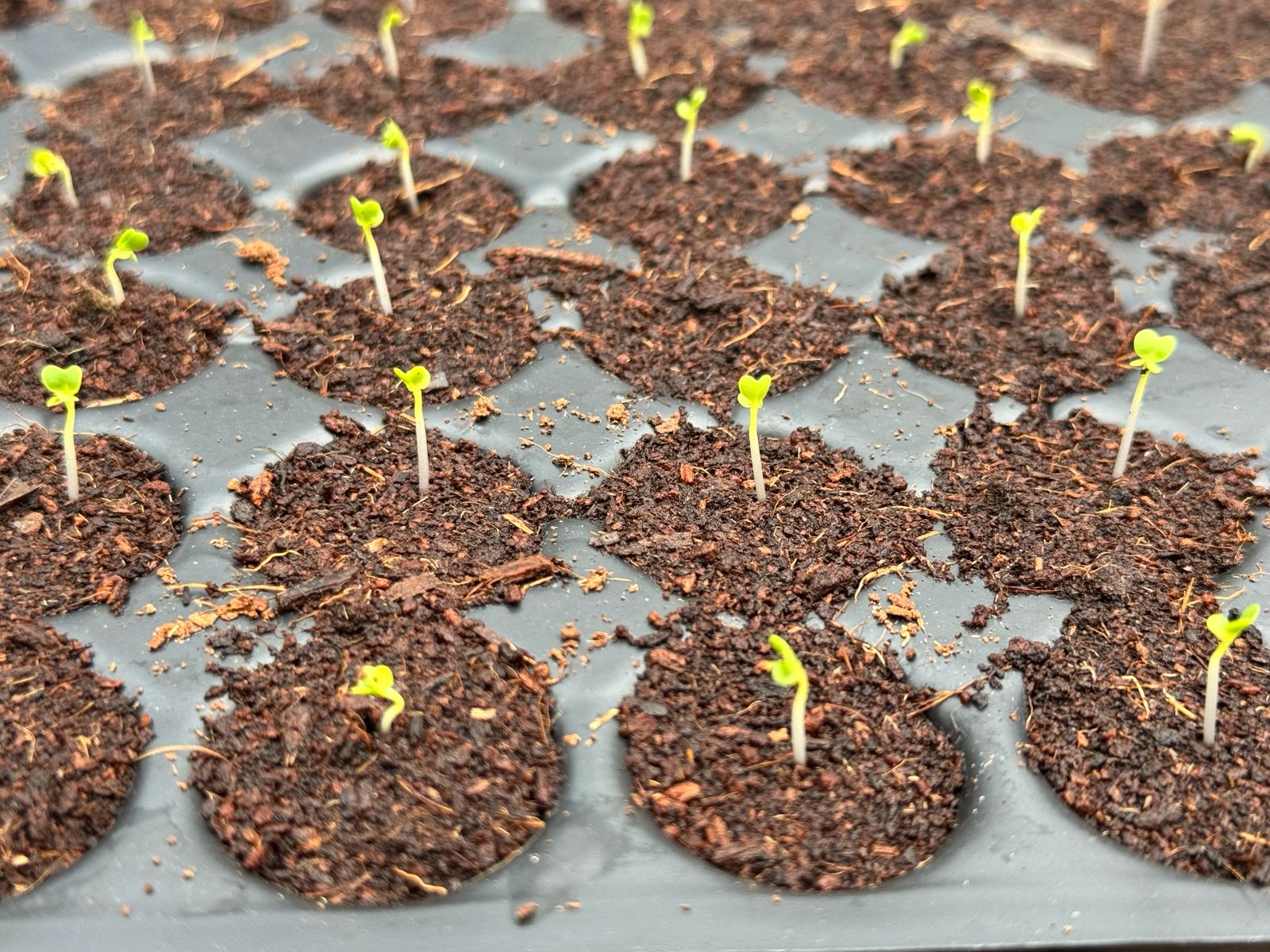
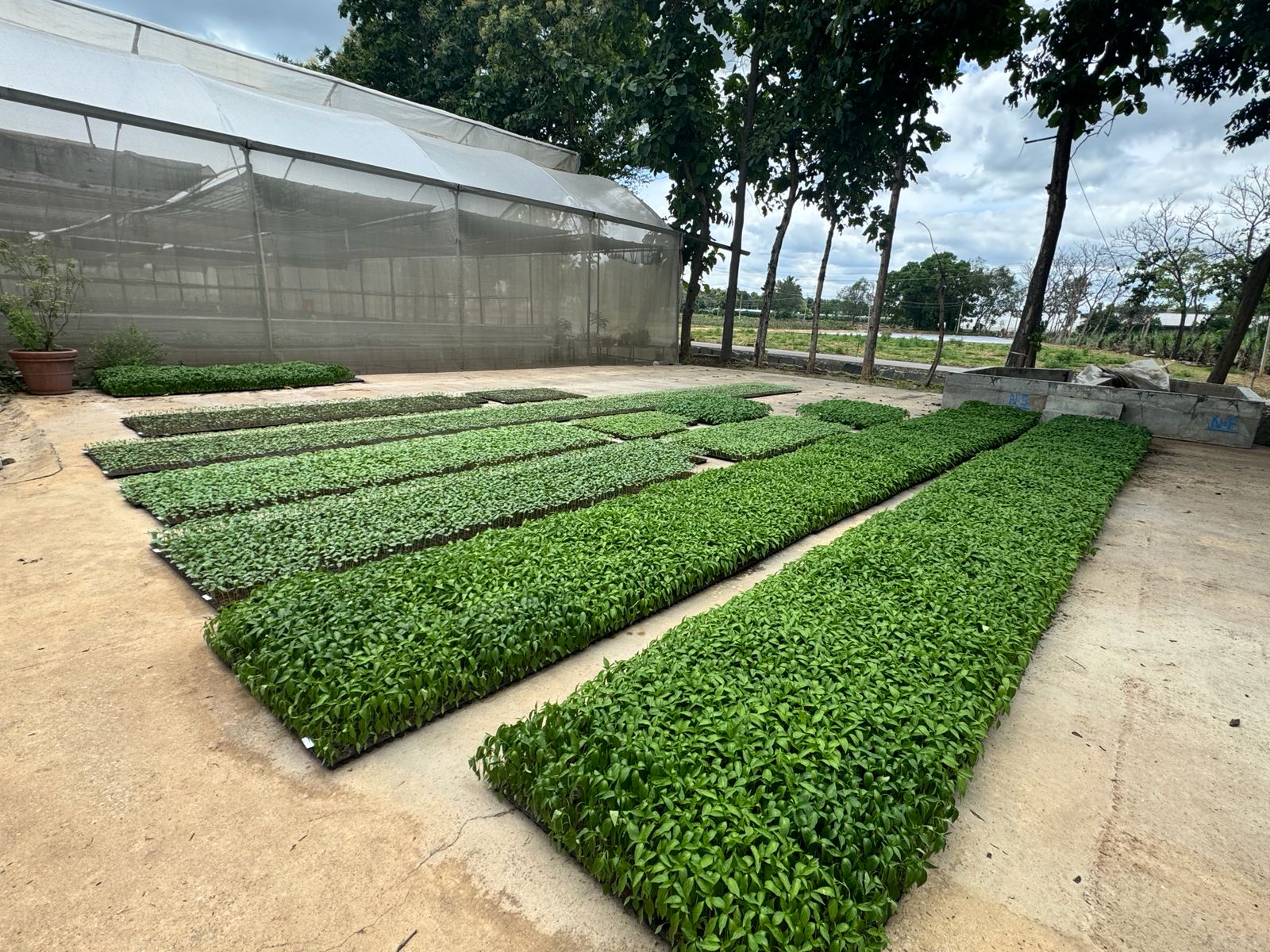
I saw the seed germination process, greenhouse cycle, and soil fertilisation process. Inside the nursery, tiny pale-green sprouts were just lifting their heads out of dark coco-peat plugs — hundreds of them, each in its own little circle of soil, looking impossibly delicate. A short walk away, outside a long polyhouse, thick green carpets of older seedlings were laid out in perfect rectangles, ready for the next stage of their life. Watching one room of newborn shoots and then a whole courtyard of strong young plants, you understand exactly what "seed to harvest" really means.
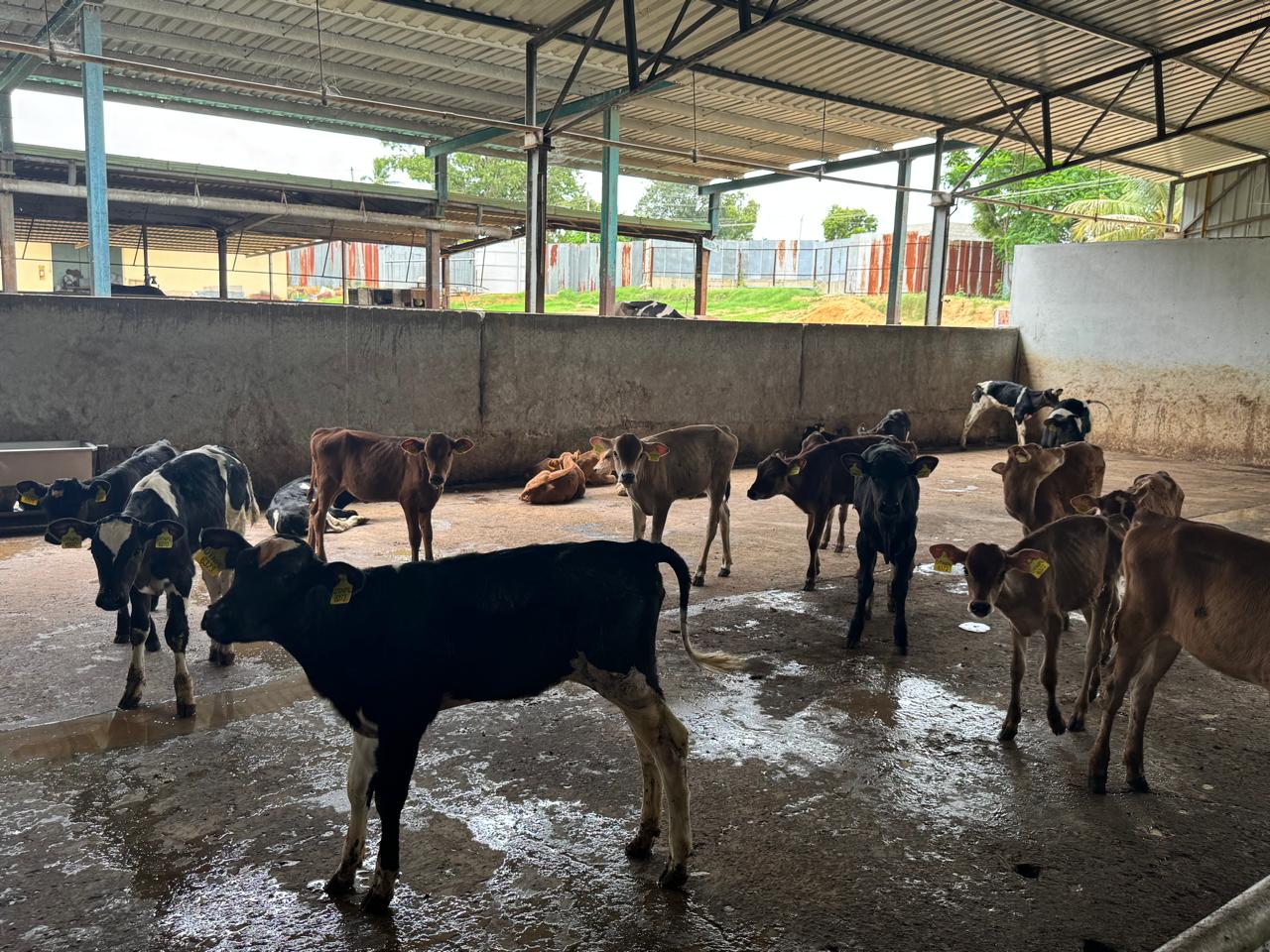
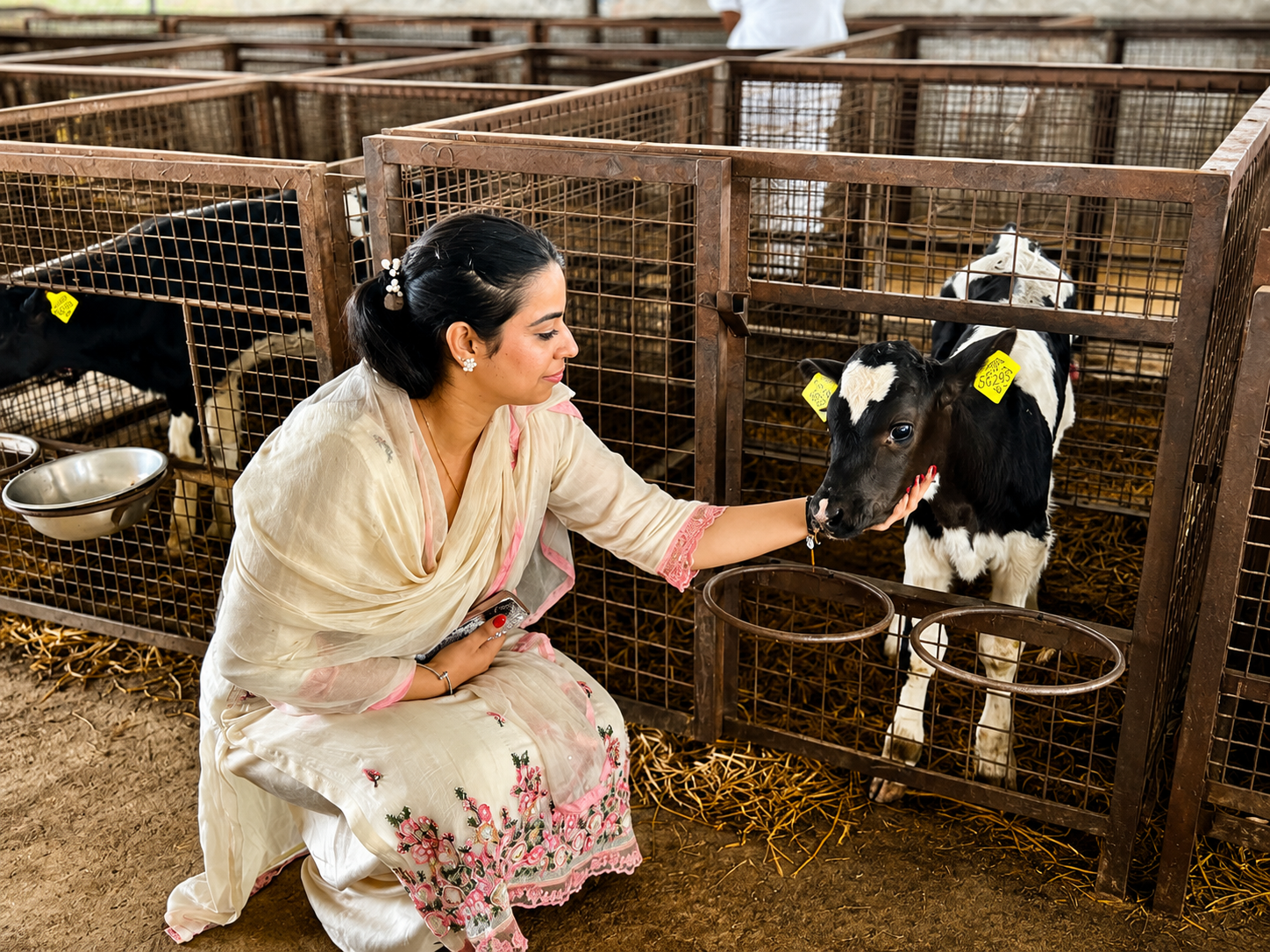
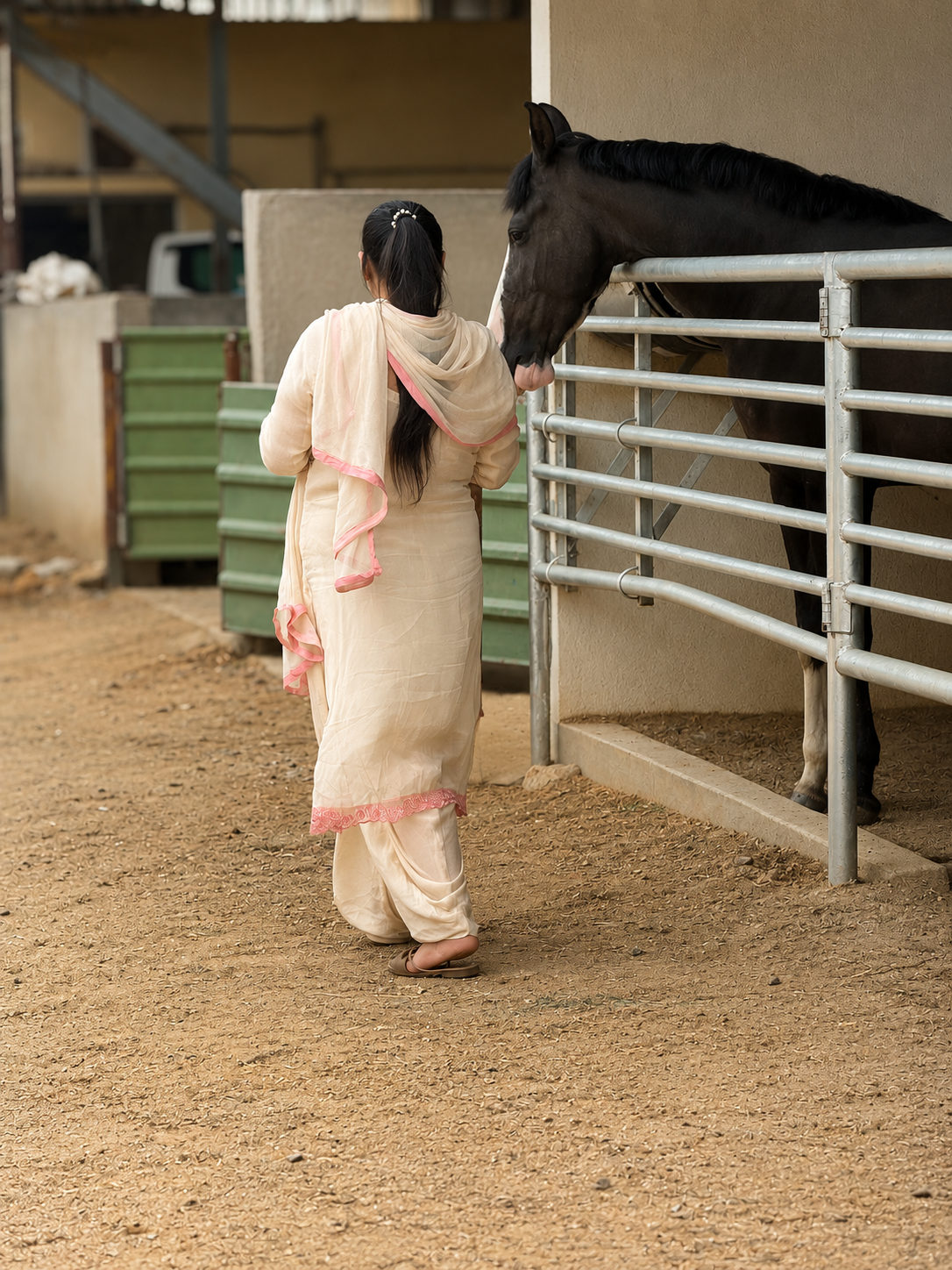
We also saw newborn calves and horses. In one large shed, a group of young calves — black and white Holsteins, soft brown Jerseys, each with a small yellow ear tag — stood together on a freshly washed floor, curious and calm. In the calf section, I knelt down by one of the pens and gently touched the nose of a tiny black-and-white calf; she leaned in without any fear. Near the stables, I walked up quietly to a beautiful tall black horse standing behind the railings, and for a few seconds it bent its head down towards me as if to say hello. Those small moments with the animals were, honestly, the softest part of the whole day.
Then we drank fresh cow's milk in the form of parshad. Warm, slightly sweet, and richer than anything from a carton — it felt less like a drink and more like a blessing.
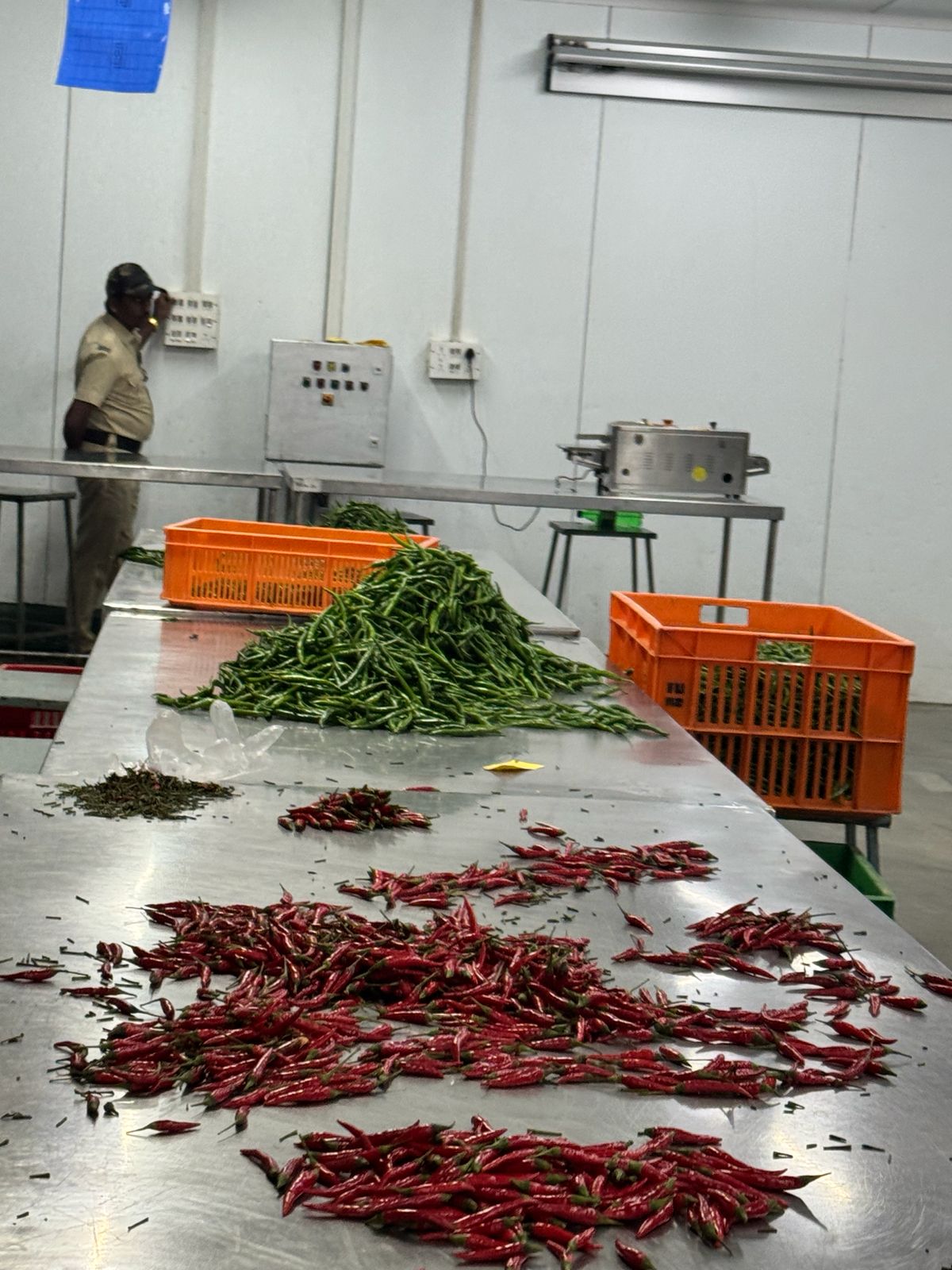
There was a team that was packing the food, and the food gets supplied globally. Inside the cold processing area, I saw a long stainless-steel table with a hill of bright green chillies in an orange crate and a scatter of deep red ones drying on the other side — the whole room cool, clean, and quietly busy. Namdhari's has its own brand, which is popularly known as Namdhari's Fresh. Fresh food gets supplied to local vendors. Packaging is the top priority for the team, and you can see why — every crate, every label, every temperature is watched carefully so that what leaves Bidadi reaches kitchens in India and abroad in exactly the same condition.
I saw the production of watermelons, dragon fruits, mangoes, and apples. The black soil was more fertile and helped to hold the plants for a better germination process. Standing at the edge of those fields and nurseries, looking at how much thought goes into something as small as one seed, I felt a quiet pride in being part of this community.
My overall day with my family was joyful, and I gained a lot of learning experiences by visiting the farm. We left Bidadi with the taste of langar still in our mouths, the smell of fresh soil on our clothes, and Guru Ji's blessing folded carefully into our hearts.
About the Author
Kirandeep Kaur
I explore technology, simplify complex ideas, and share what I learn along the way — mostly SAP, AI and enterprise tech, sometimes everything else.
More about Kirandeep →